



What’s it like for a non-French-speaking child to join Shanghai French School? The Zhang family shares their experience of watching Max transition from a local Chinese school to a vibrant multilingual environment, where French, English, and Chinese meet. Between team sports, cultural exchange, andnew friendships, Max’s story shows how curiosity, preparation, and support can turn a challenge into an exciting adventure.
Can you introduce your family and tell us about Max’s educational journey before joining Shanghai French School?
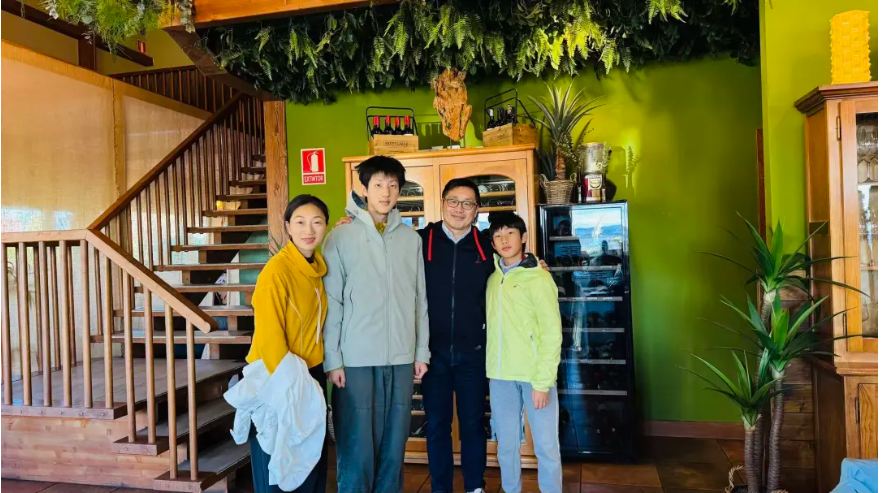
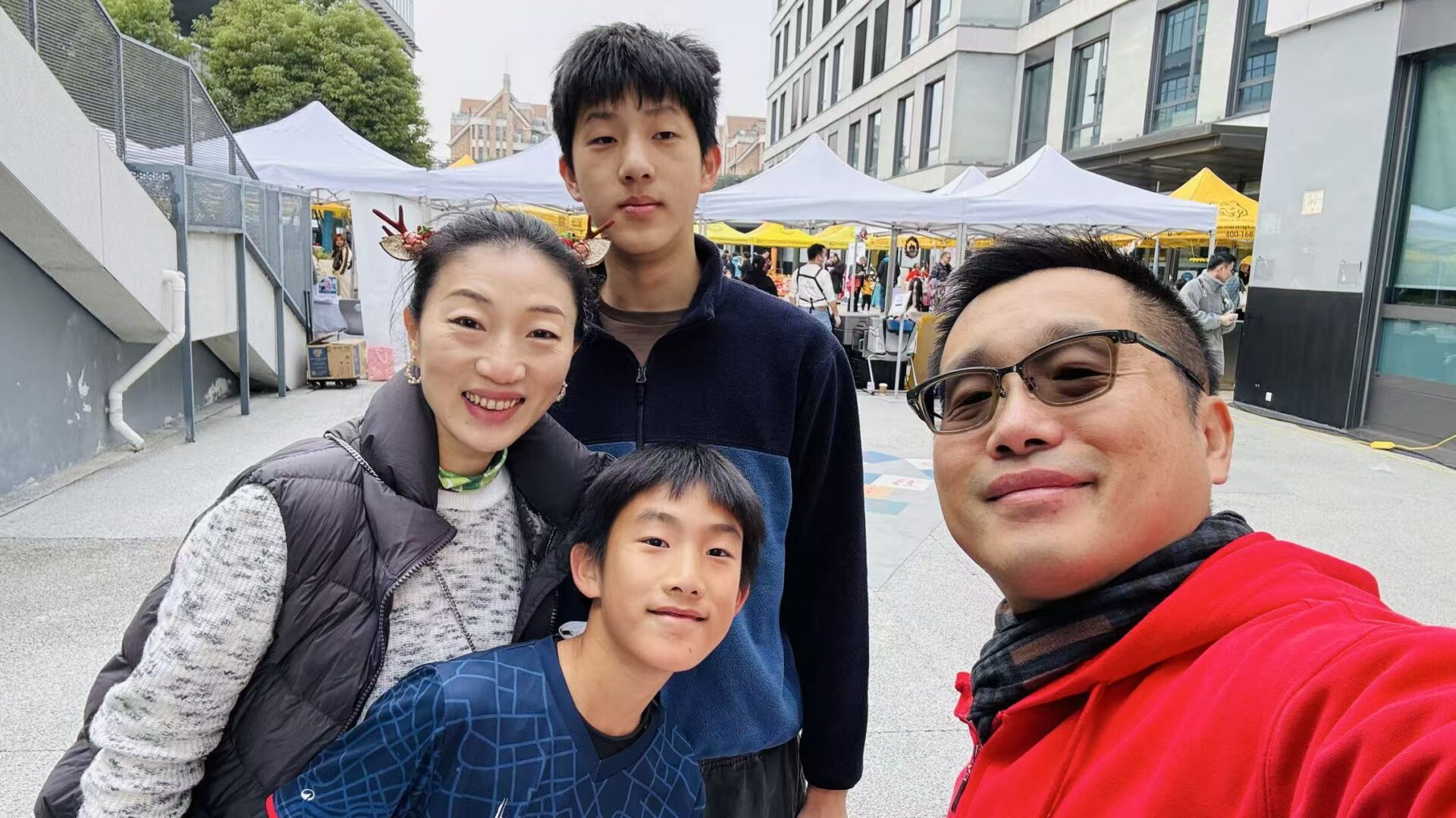
We’re a Chinese family based in Shanghai with two sons. Our older son, 18, is pursuing to be a doctor. Max, our younger son, is 12 and joined Shanghai French School in September 2022. Before that, he attended a local Chinese public school near our home and began learning French through extracurricular classes one to two years before the going to LFS, to help him prepare.
How did you first hear about Shanghai French School and why did you explore it?
Our connection with the French community goes back over ten years. Through sports, friends, and shared activities, we grew to appreciate French culture and realized LFS could offer Max a well-rounded, international education that balances academics, teamwork, and cultural exposure.
Why did you choose the Chinese International Section at Shanghai French School?
Max’s Chinese background made the Chinese International Section (SIC) a natural fit. It allows him to continue developing his Chinese language skills while learning French and English, creating a truly multilingual experience.
How does LFS compare to Chinese schools academically and in daily life?
Chinese public schools have large classes and strict discipline, with a strong focus on academics. Sports, social skills, and personal development are more limited. At LFS, the balance is very different: there’s still a high academic standard, but students engage in more sports, especially team sports, where they learn to collaborate, set goals, and be competitive both physically and socially. Max also experiences smaller, more interactive classes where participation and self-expression are encouraged.

How did Max adapt to a multilingual environment? Was French difficult at first?
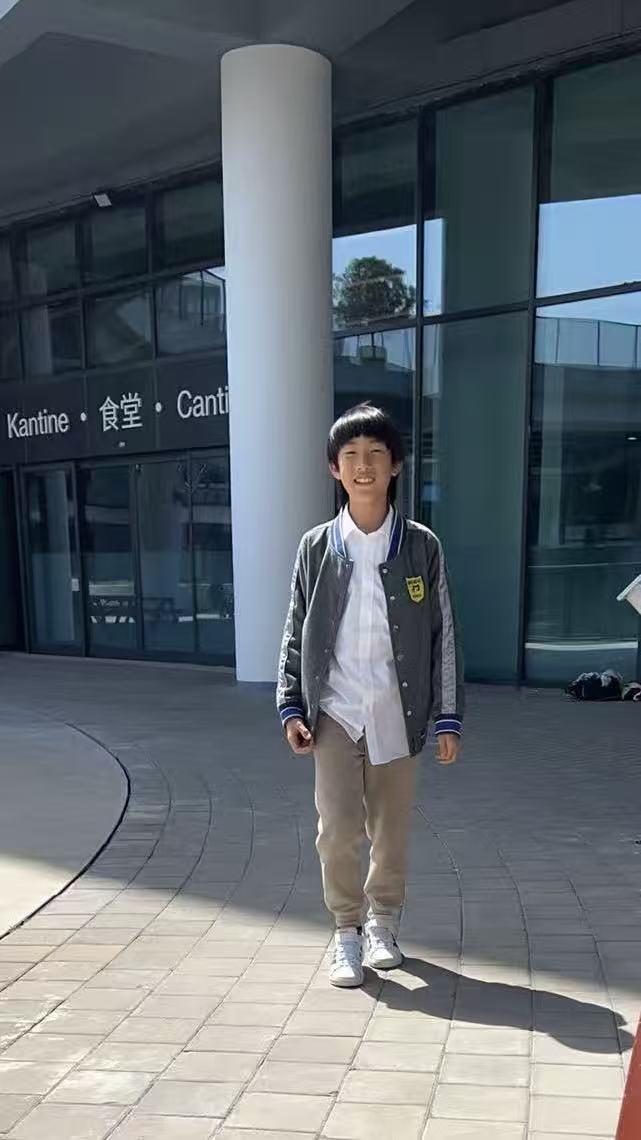
Transitioning can be challenging, especially with new languages and cultural norms. At first, Max needed time to adjust, particularly with French. The FLSco program for non-French-speaking students helped him build confidence quickly. Now, he speaks French almost natively, switches naturally between French, English, and Chinese, and even helps younger Francophone classmates with Chinese: a wonderful reciprocal environment that benefits everyone.
How do you handle academic support at home if you don’t speak French?
For subjects like math and science, the language is less of a barrier, and we can support Max directly. For French or history, we use online resources, bilingual materials, and guidance from friends. It’s a family effort: we try to learn French ourselves and show Max that we are on the journey with him. The school is very supportive, too, through FLSco program and teacher guidance.
How has Max integrated into the school community, and what changes have you seen since joining LFS?
Max adapted gradually and is now well integrated socially and academically. The school’s multicultural environment helped him feel comfortable, make friends, and enjoy interacting in multiple languages. He’s happier, more confident, communicative, and curious, sharing more about school life. With many Chinese students and younger Francophones learning Chinese, the multilingual setting naturally supports both language learning and social integration.
How do you view Max’s future educational opportunities?
The French curriculum opens doors to universities in France, but also to top English-speaking institutions worldwide and Chinese universities. The multilingual foundation gives him flexibility and a competitive advantage, no matter where he chooses to study.
What advice would you give families considering LFS?
Preparation is key. Transitioning can be challenging, but the rewards, language skills, confidence, cultural openness, personal growth, are worth it. Stay involved, support your child emotionally, and embrace the multilingual environment. Learn French alongside your child if possible and take advantage of the school’s programs like FLSco. We would also highlight that LFS maintains reasonable tuition fees, while offering a high-quality education. The LFS community is welcoming, diverse, and supportive for non-French-speaking families.
Max’s journey proves that language is not a barrier: thanks to programs like FLSco, strong support from teachers, and a welcoming, diverse community. Families who are curious, open, and ready to support their children will find a world of opportunities: academic excellence, multilingual skills, and pathways to universities in France, China, and beyond. The French school system isn’t just for French speakers: it’s a place where non-French-speaking children can thrive, explore, and grow into confident global citizens.